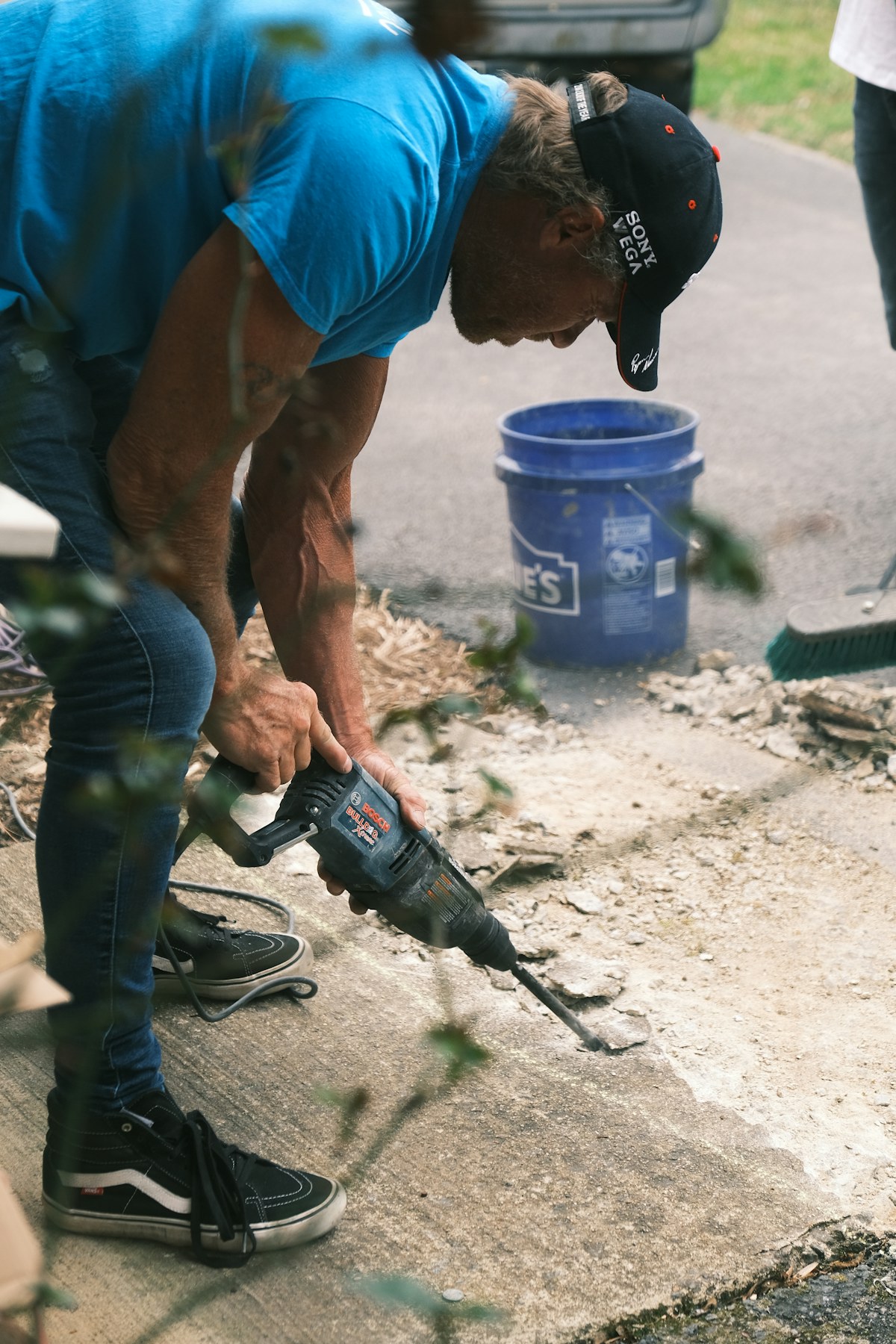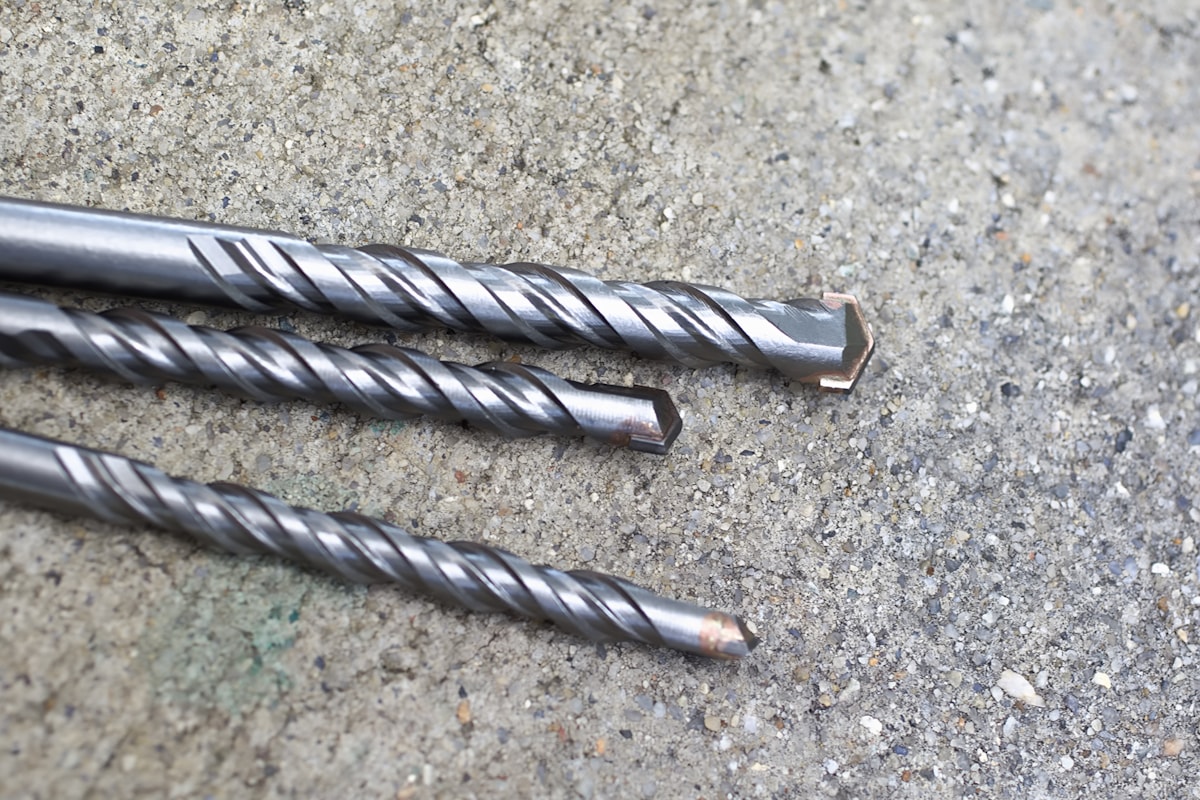
Reinforced concrete — concrete with steel rebar embedded inside — is the material that separates a competent diamond core drilling operation from an expensive mistake. Standard dry diamond core bits designed for brick and block will glaze instantly on contact with steel. Even a wet-rated bit will be destroyed in seconds if it is the wrong bond specification for the job. This guide explains what you need and why, based on the specific characteristics of reinforced concrete as a drilling substrate.
Reinforced Concrete Drilling at a Glance
- Use rebar-rated wet core bits only — soft-bond segments tolerate steel; dry bits will glaze instantly
- Machine: dedicated core drill motor (1200W+, ½" BSP chuck) — SDS Max tops out at ~65mm diameter
- Water supply must be continuous — reinforced concrete generates intense heat at the cutting face
- Scan before drilling: GPR or Ferroscan to locate rebar positions and any post-tension cables
- If the bit stalls on rebar: maintain steady feed pressure and keep water flowing — do not force or hammer
Why Reinforced Concrete Is Different
Standard concrete (C20 to C30) is an abrasive material that suits soft-bond diamond bits — the concrete wears away the steel bond matrix between passes and re-exposes fresh diamond crystals. Rebar is a completely different challenge: steel does not wear the bond. When a diamond segment contacts rebar, it generates intense localised heat, the bond softens, and segments can delaminate from the barrel.
Additionally, reinforced concrete is typically harder and denser than domestic block or brick. This combination — hard matrix plus embedded steel — requires a bit specified for both simultaneously: a soft-bond segment for the concrete and a rebar-tolerant alloy composition for the steel passes.
Which Diamond Core Bit Is Right for Reinforced Concrete?
For reinforced concrete, you need a wet diamond core bit with a rebar-rated segment. These are sometimes marketed as "rebar-rated" or "universal" concrete bits. See: reinforced concrete drilling services for the full specification and technique guide. The key differences from a standard wet bit:
- Softer bond matrix — allows the harder concrete to shed the matrix quickly and expose fresh diamond. Without this, the bit glazes on dense concrete between rebar encounters.
- Higher diamond concentration — more cutting points per segment to maintain performance through mixed-hardness material.
- Reinforced segment attachment — laser-welded or silver-brazed segments rated to withstand the thermal and mechanical shock of hitting steel at low RPM.
Recommended rebar-rated wet bits available in the UK include the Marcrist CCU850X (soft bond, rebar-rated, available in 107mm–200mm) and the DeWalt DT6777 in the 107mm diameter for standard structural concrete work.
Do not use dry bits on reinforced concrete. The absence of water cooling makes rebar contact almost certain to destroy the bit immediately.
Machine Requirements
Reinforced concrete drilling requires a dedicated core drill machine — not an SDS drill with an adaptor. The reasons are torque, cooling integration, and safety:
- Torque: When a diamond segment contacts rebar, the drill experiences a sudden increase in resistance. An SDS drill's clutch may not manage this safely. A dedicated core drill machine with a ½″ BSP chuck, a torque-limiting clutch, and a motor rated to 1500W or above handles this transition without stalling or kickback.
- Water supply: Professional core drill machines have integrated water connections — either a self-contained pump system or a fitting for a mains water supply via a hose and flow control valve. The water must be continuous and cannot be improvised with a handheld bottle when working through dense concrete.
- RPM: Larger core bits through structural concrete require very low RPM — 200–350 RPM for 107mm and above. Most SDS drill adaptors do not achieve this safely.
For structural concrete core drilling, the Hilti DD 110-D (1800W) and the Bosch GDB 350 WE (1500W) are the correct machine class. See the core drill machine guide for full specifications.
Water Supply Setup
Wet coring requires a constant supply of water at 0.5–2 litres per minute delivered through the core bit centre. Standard approaches:
- Mains connected: Route a garden hose to a flow control valve and connect to the machine's water inlet. This provides constant pressure without manual intervention and is the preferred method for structural concrete work.
- Pump tank: A portable pressurised water tank feeds the machine without needing mains access. Useful for locations without a nearby tap — common on structural floors in commercial buildings.
- Wet vacuum shroud: Some machines include a shroud that recirculates water from a collection bag. This reduces mess but is less effective on very long core runs where heat builds up.
Never stop the water flow while the bit is spinning in material. Thermal shock from sudden dry running can delaminate segments within seconds, even on a bit otherwise in good condition.
Should I Scan for Rebar Before Drilling?
Yes — always scan structural concrete before drilling. On structural concrete floors, walls, and columns, rebar is present but not visible. Drilling blind risks hitting bars at unpredictable depths, which is both destructive to bits and potentially structurally significant if bars must not be cut.
Use a rebar detector (ferroscan or cover meter) to locate the bar positions and cover depth before drilling. Most hire shops stock these. For critical structural work — penetrating a load-bearing wall or a post-tensioned slab — a structural engineer should confirm that the proposed hole position will not compromise the reinforcement design. Post-tensioned concrete in particular contains pre-stressed tendons that must not be cut under any circumstances. See the GPR scanning guide for the full comparison of scanning methods and what each detects.
Drilling Technique in Reinforced Concrete
The technique for reinforced concrete differs from brick and block in several respects:
- Lower feed pressure: In harder material, forcing the bit increases heat and segment stress. Let the bit cut at its own pace. In C30+ concrete, this may mean 3–5 minutes per 100mm of depth in a 107mm hole.
- Rebar contact: When the bit hits a bar, you will feel increased resistance and the motor will load up. Maintain constant slow feed — do not retract and re-attack. The segment is designed to grind through steel if given time and cooling. Rapid withdrawal and re-entry causes thermal shock.
- Reduced RPM on contact: Some professional machines allow on-the-fly RPM adjustment. Reducing speed by 10–15% when steel contact is detected reduces heat at the segment face.
- Core slug removal: In reinforced concrete, the core slug may be held in the barrel by the cut rebar stub. Do not force the slug out — use a punch through the centre hole and tap carefully. A rebar stub protruding from the slug confirms the bit has successfully passed through steel.
For a detailed breakdown of the rebar contact phase — including stuck bit recovery, repositioning decisions, and post-tensioned tendon risks — see: drilling through rebar: UK core drilling guide.
CDM and Site Requirements
Commercial concrete core drilling — through structural floors, walls, or columns on a CDM-notifiable site — has specific regulatory requirements:
- Wet coring generates contaminated slurry that must be collected and disposed of as controlled waste, not discharged to drainage.
- Silica dust from concrete is a respiratory hazard. Even with wet coring, any dry dust generated during setup or slug removal requires RPE (P3 respirator) and COSHH assessment.
- Noise levels from structural concrete coring typically require hearing protection to be worn by all operatives within 6 metres of the work.
For the correct bits for this work, see the full range in the diamond core drill bits guide, or refer to the dry vs wet coring guide for the underlying method decision. For general setup technique applicable to any material, see how to use a diamond core drill. If you need to identify the type of concrete before committing to an approach, see: core drilling through concrete: UK contractor's guide.