TCT and diamond core bits both cut circular holes through masonry, but they work on completely different principles and suit different materials and price points. Choosing wrong doesn't just cost you a bit — it can mean a hole that takes three times as long, a ruined wall surface, or a bit destroyed in under a minute.
TCT vs Diamond at a Glance
- TCT: percussion cutting, high RPM, hammer mode ON — for brick, block, plasterboard, timber
- Diamond: abrasive cutting, low RPM, hammer mode OFF — for concrete, stone, tiles, reinforced materials
- Never use a diamond core bit with hammer action — it fractures the segments immediately
- TCT price: £5–£25 | Diamond dry: £15–£60 | Diamond wet rebar-rated: £30–£100+
- If unsure: use TCT for soft brick/block up to 65mm; use diamond for anything harder or larger
How TCT Core Drills Work
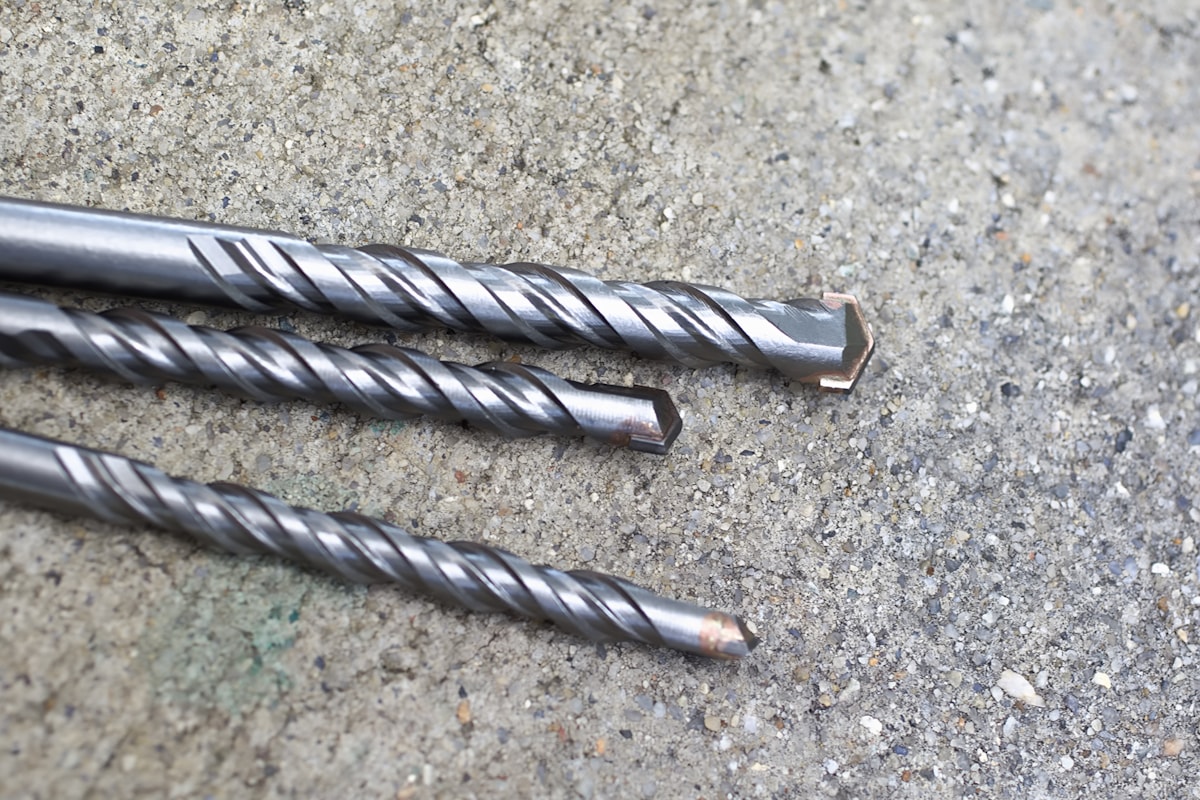
TCT stands for tungsten carbide tipped. A TCT core drill has hardened carbide teeth brazed or sintered onto the leading edge of the barrel. These teeth chip and fracture the material ahead of them — a percussion-style cutting action that works at relatively high RPM and benefits from the hammer mode on an SDS drill.
TCT bits are inexpensive, widely available, and work well on the materials they are designed for. They are the standard choice for general builders drilling brick and block for cable runs, pipe chases, and airbricks. They are also the bit of choice for drilling through plasterboard, timber studwork, and insulation board — materials where a diamond bit has no advantage whatsoever.
How Diamond Core Drills Work
Diamond core bits cut by abrasion rather than percussion. Diamond segments bonded to the barrel face grind through material at low RPM in rotation-only mode. The process generates heat that must be managed either through air cooling (dry bits with slotted barrels) or water cooling (wet bits).
Because the cutting is abrasive rather than percussive, diamond core bits produce a cleaner hole edge, can pass through rebar without deflection, and work on materials that would shatter TCT teeth — dense concrete, engineering brick, natural stone, and ceramic tiles bonded to concrete.
Material Comparison
| Material | TCT | Diamond (Dry) | Diamond (Wet) |
|---|---|---|---|
| Standard facing brick | ✓ Good | ✓ Good | Works, unnecessary |
| Sand-lime (calcium silicate) brick | ✓ Good | ✓ Good | Works, unnecessary |
| Concrete block / dense block | ✓ Adequate | ✓ Better | ✓ Good |
| Aerated concrete (Thermalite) | ✓ Good | ✓ Good | Works, unnecessary |
| Engineering brick (Class A/B) | ✗ Poor — teeth blunt fast | Possible if hard-bond | ✓ Correct choice |
| Dense structural concrete (C25+) | ✗ Poor — shatters teeth | ✗ Not suitable | ✓ Correct choice |
| Reinforced concrete (rebar) | ✗ Destroys bit on first bar | ✗ Not suitable | ✓ Rebar-rated bit only |
| Natural stone (granite, basalt) | ✗ Not suitable | ✗ Not suitable | ✓ Correct choice |
| Ceramic tile on concrete | ✗ Shatters tiles | ✓ Good (wet preferred) | ✓ Best choice |
Cost Comparison
TCT core bits are significantly cheaper than diamond. A quality TCT bit in a standard size (52mm or 107mm) costs £8–£20. The equivalent diamond core bit costs £18–£60 depending on brand and size. Over the life of a bit, however, TCT bits need replacing far more often when used on harder materials — the cost-per-hole can end up higher.
For a UK plumber fitting boilers through standard brick cavity walls five days a week, a diamond core bit lasts hundreds of holes. A TCT bit on the same material might last 20–50 holes before the teeth dull noticeably. The up-front cost is higher with diamond; the running cost is lower.
Machine Requirements
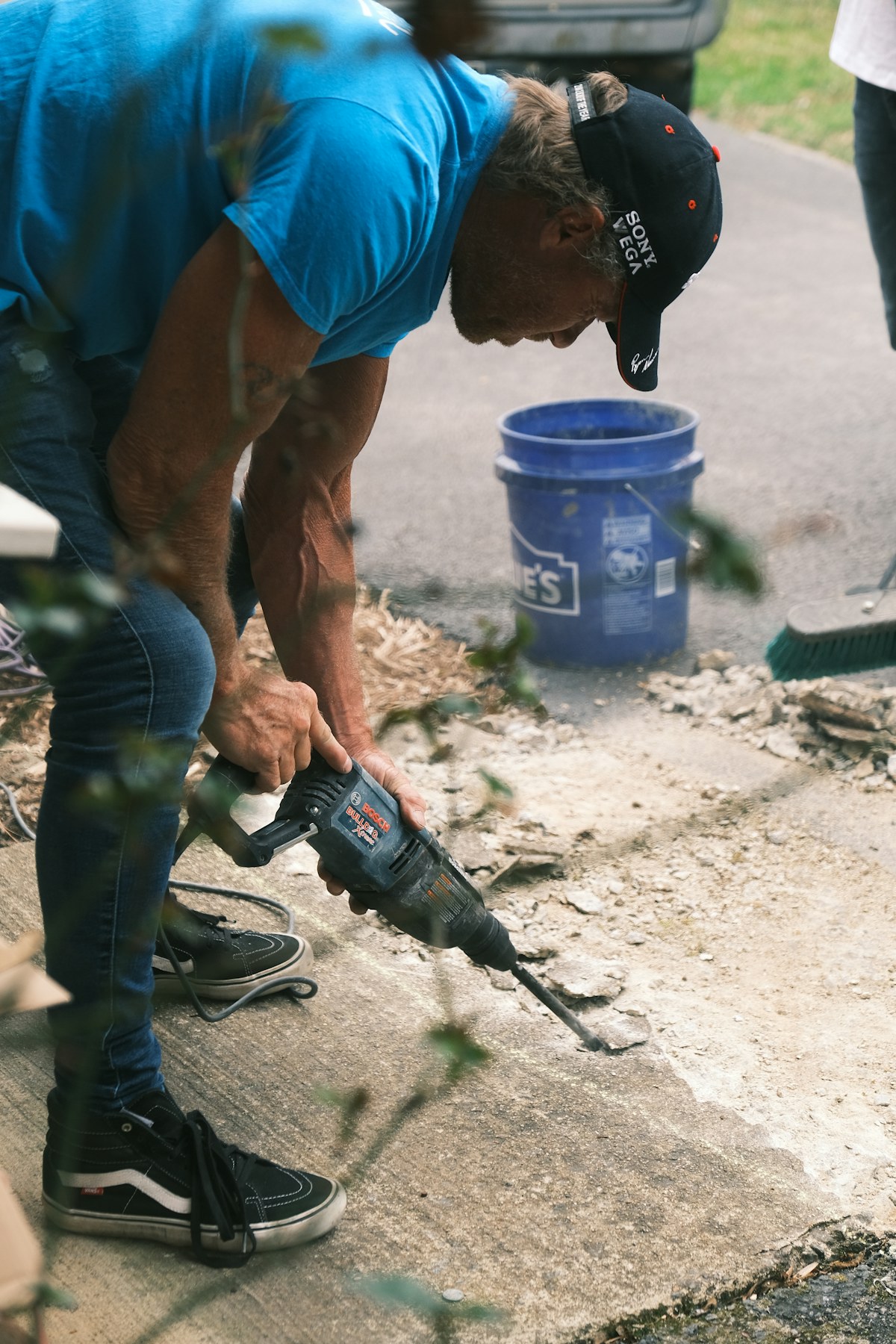
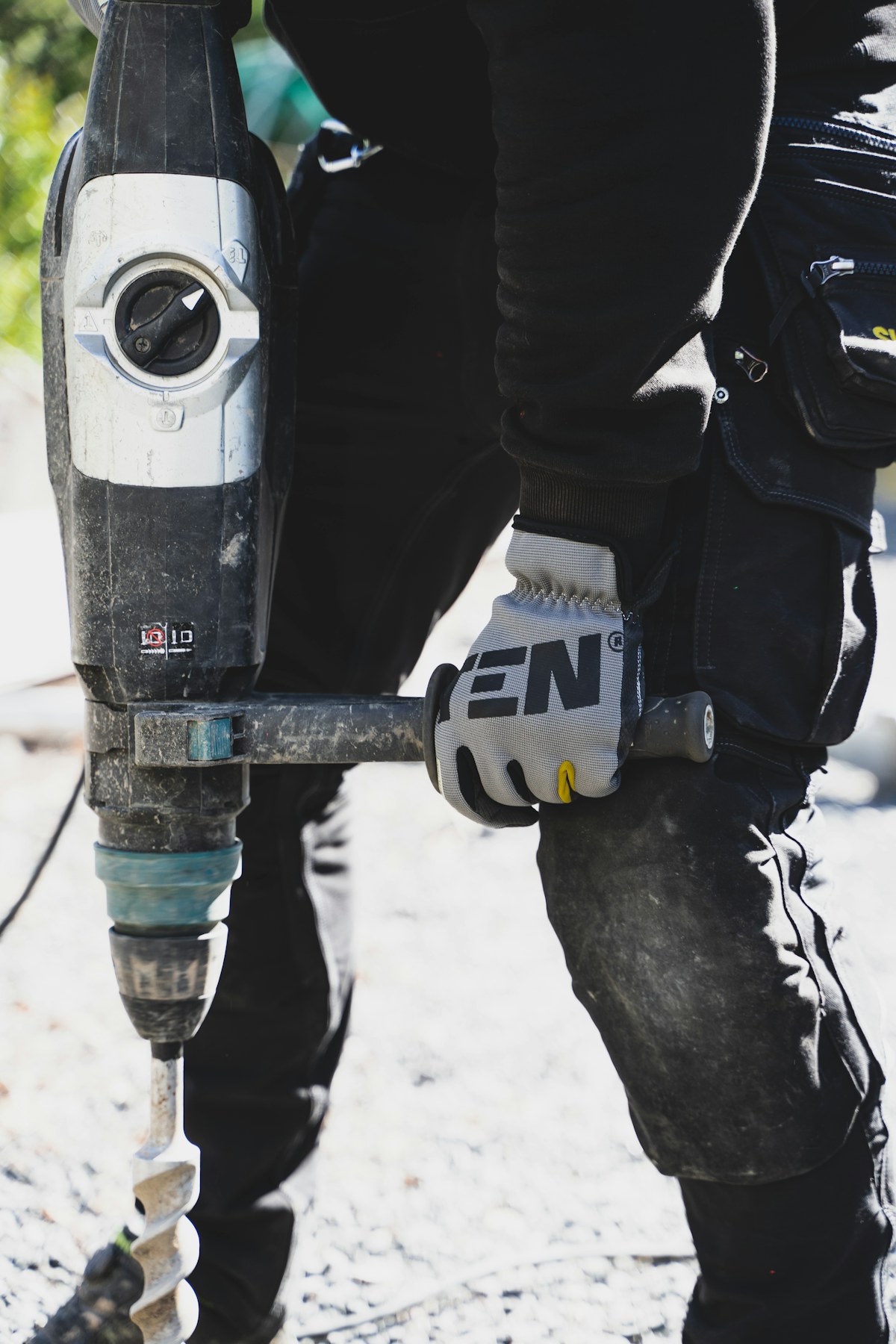
This is a critical practical difference. TCT core bits are designed to run on standard SDS Plus and SDS Max rotary hammer drills in hammer-drill mode. Most tradespeople already own an SDS drill. No additional machine purchase is needed.
Diamond core bits require rotation-only mode — no hammer. For small diameters in soft material, a standard SDS drill with an adaptor suffices. For anything above 65mm or in harder material, a dedicated core drill machine with a ½" BSP chuck is the correct tool. This is an additional purchase or hire cost that must be factored in when comparing the two systems.
When to Use TCT
- Standard brick, block, and soft masonry in domestic buildings
- Jobs where you are already using an SDS drill and do not need a dedicated machine
- Occasional use where bit longevity is less important than up-front cost
- Plasterboard, timber, and insulation composite panels
When to Use Diamond Core Bits
- Dense concrete, engineering brick, or natural stone
- Any material containing rebar (use wet-rated, rebar-rated bits)
- Situations requiring a very clean hole edge — ceramic tiles, finished stone surfaces
- High-volume trade use where cost-per-hole matters more than purchase price
- Materials where TCT teeth have already failed or stalled
For a full guide to diamond core drill bit types and UK sizes, or to compare specific machines, see the best diamond core drills UK guide.