Diamond core drilling uses a hollow cylindrical bit tipped with industrial diamond segments to cut through masonry, concrete, and stone. The bit rotates at controlled speed, grinding through the material and leaving a clean circular hole. Unlike hammer drilling, there is no percussion — the cut is made entirely by abrasion, which produces precise, undamaged edges and minimal structural disturbance.
In UK construction, diamond core drilling is the method of choice for creating penetrations for boiler flues, waste pipes, extractor fans, cable entries, and large service ducts through walls, floors, and structural slabs. It is used by plumbers, electricians, HVAC installers, and specialist drilling contractors across residential, commercial, and industrial projects. See: diamond core drilling services UK for a full applications and materials overview.
Diamond Core Drilling at a Glance
- Creates precise circular holes from 38mm to over 1000mm diameter
- Cuts concrete, brick, block, reinforced concrete, tile, and natural stone
- Rotation only — no hammer action — minimal vibration and structural disturbance
- Dry coring for brick and block; wet coring (with water cooling) for dense and reinforced concrete
- Required for boiler flues, waste pipes, extractor fans, cable entries, and structural penetrations
How Does Diamond Core Drilling Work?
A diamond core bit consists of a steel barrel with segments of diamond-impregnated matrix bonded to the cutting edge. As the bit rotates, the exposed diamond crystals abrade the material surface, cutting through it layer by layer. The matrix surrounding each diamond wears at a controlled rate, exposing fresh diamonds as the segments cut — this self-sharpening cycle gives diamond bits their longevity in hard materials.
The barrel is hollow, so the material inside the circle — the core plug — remains intact and is extracted whole when drilling is complete. This cylindrical plug of masonry or concrete is what is removed to create the finished hole.
Speed is measured in peripheral cutting speed — the rate at which the segment edge contacts the material. A larger-diameter bit must run at lower RPM to maintain the correct surface speed. Running too fast generates heat that destroys the segments. See the diamond core drill RPM guide for speed settings by diameter and material.
What Materials Can Diamond Core Drilling Cut?
Diamond core drilling is effective on a wide range of UK construction materials:
- Brick — standard facing brick, engineering brick, and reclaimed brickwork. Dry core bits are standard for brick.
- Concrete blocks — dense aggregate blocks, aerated blocks (Thermalite, Celcon), and medium-density blocks. Dry bits suit most block types.
- Concrete — plain concrete slabs, floors, lintels, and columns. Medium-density concrete can often be dry-cored; structural concrete requires wet coring.
- Reinforced concrete — structural concrete containing steel rebar. Requires rebar-rated wet core bits with soft-bond segments. See the reinforced concrete drilling guide.
- Natural stone — sandstone, limestone, and granite. Stone hardness determines the bit bond specification required.
- Ceramic and porcelain tiles — requires specialist diamond tile bits and careful speed control. See the tile drilling guide.
- Asphalt and road surfaces — for utility access and service connections on civil and infrastructure projects.
Material hardness determines whether wet or dry coring is appropriate. The harder and denser the material, the more heat is generated at the cutting face — and the greater the need for water cooling.
What Is Diamond Core Drilling Used For?
In UK trade and construction, the most common applications are:
- Boiler flue holes — condensing boiler installations need a 107mm or 117mm hole through an external wall. The boiler flue size guide covers the correct diameter for each system type.
- Waste pipe penetrations — soil stacks (110mm pipe, 117mm bit), kitchen and bathroom waste runs (40mm pipe, 52mm bit). See the waste pipe drilling guide.
- Extractor fan installations — 100mm, 125mm, and 150mm holes for domestic and commercial ventilation units. See the extractor fan drilling guide.
- Electrical cable entries — 38mm to 52mm holes for EV charger cables, armoured cable entries, and external socket penetrations.
- HVAC service penetrations — large-diameter holes (150mm to 300mm+) through concrete floors and walls for ventilation ductwork.
- Structural penetrations — anchor bolt holes in structural concrete, core samples for material testing, and penetrations for post-installed fixings.
- Drain and sewer connections — 117mm to 200mm holes for new drainage connections to existing infrastructure.
What Equipment Does Diamond Core Drilling Require?
The minimum equipment is a core drill machine and a diamond core bit matched to the material and diameter. A complete setup includes:
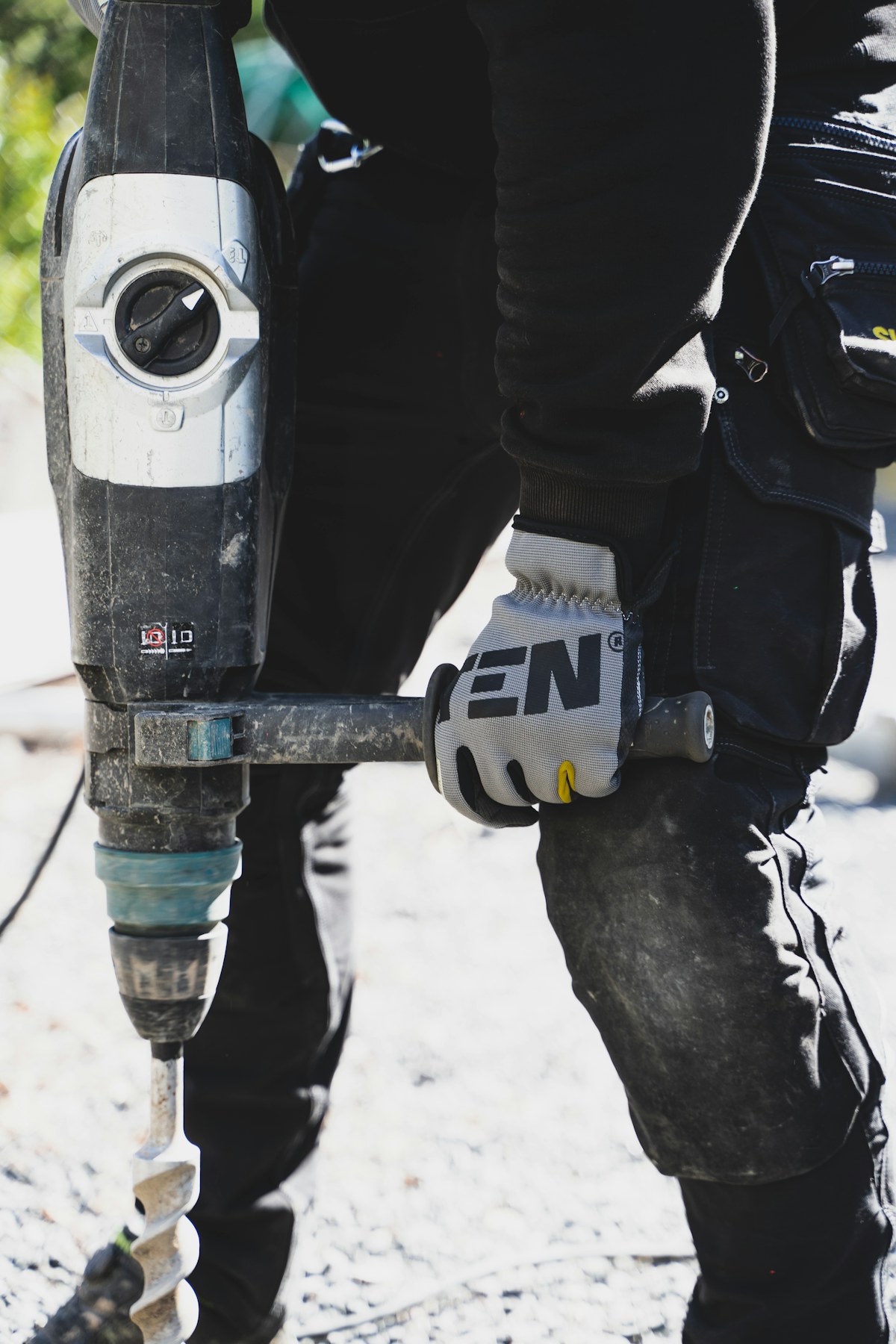
- Core drill machine — a dedicated motor with a ½" BSP threaded chuck, rated to the bit diameter in use. For holes up to ~65mm in brick and block, an SDS drill with an adaptor can be used. For larger diameters or harder material, a dedicated motor of 1000W or above is required. See the core drill machine guide and the full equipment overview.
- Diamond core bit — dry-rated for brick and block; wet-rated for dense or reinforced concrete. See the full diamond core drill bits guide for material and size selection.
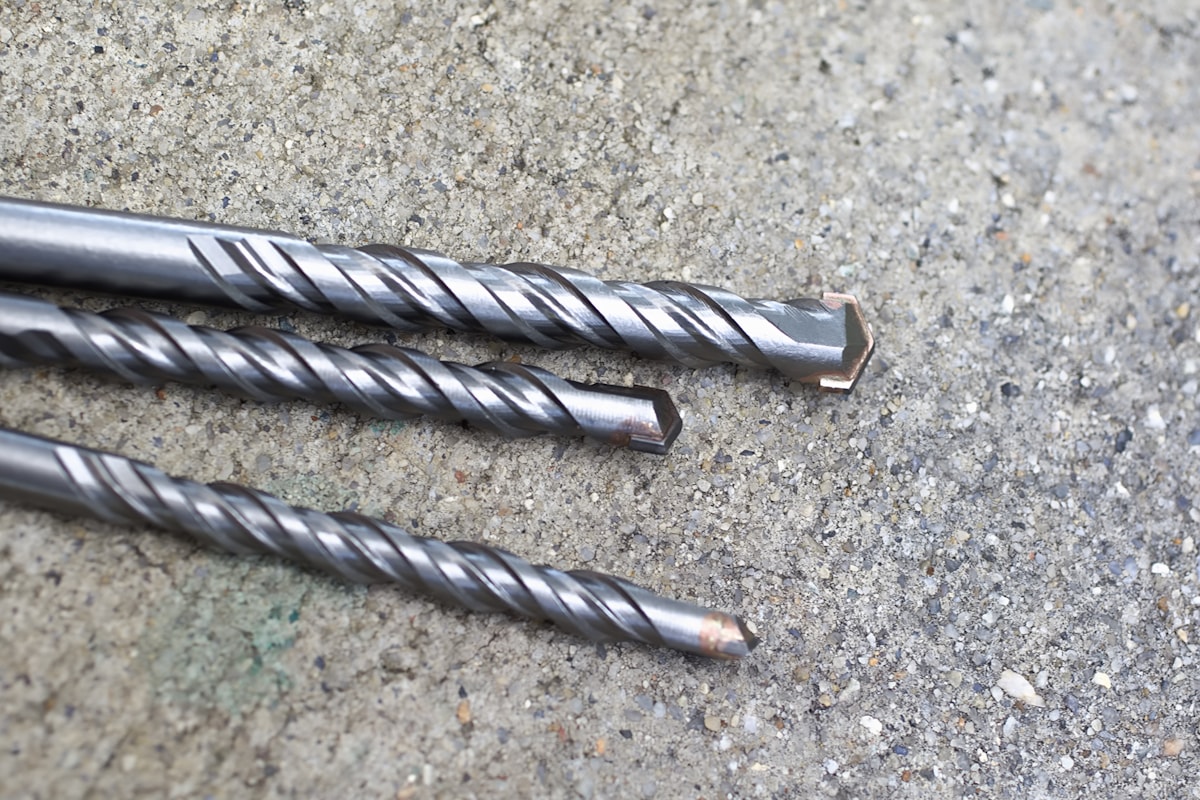
- Pilot drill — a small centre drill that fits through the hollow core barrel and locates the bit at the start of the hole, preventing it from skating across the wall face.
- Water supply — required for wet coring. Delivered through the machine's water swivel at 0.5–2 litres per minute to the cutting face.
- Dust extraction — M-Class vacuum and drilling shroud for dry coring in enclosed spaces. Required on any CDM-notifiable site.
- Extension rods — for walls thicker than 150mm (the standard bit depth). Available in 300mm and 500mm lengths, threaded ½" BSP.
What Is the Difference Between Wet and Dry Diamond Core Drilling?
Dry core drilling is correct for brick, blockwork, and aerated concrete; wet core drilling is required for dense concrete, reinforced concrete, and hard stone. The distinction is how heat generated at the cutting face is managed:
- Dry core drilling uses bits with slotted or turbo barrels that allow heat to escape through air circulation. Suited to brick, blockwork, aerated concrete, and light masonry. Produces dry dust — a dust shroud and M-Class extraction are required on commercial sites and strongly recommended on domestic work.
- Wet core drilling supplies water continuously to the cutting face to cool the segments and flush cut material away. Essential for dense concrete, reinforced concrete, engineering brick, and hard natural stone. Produces a fine alkaline slurry that must be collected and disposed of as controlled waste.
The full comparison including a material decision guide is in the dry vs wet core drilling guide.
What Hole Sizes Can Diamond Core Drilling Produce?
Diamond core bits are manufactured from 25mm up to 1200mm or more. In UK trade use, the most common sizes cover 38mm to 200mm — from cable entries up to large service penetrations. The standard UK reference sizes are:
- 38mm — cable entry, 32mm conduit
- 52mm — 40mm waste pipe (basin, bath, shower)
- 107mm — 100mm boiler flue or extractor fan
- 117mm — 110mm soil stack or WC discharge pipe
- 150mm+ — commercial HVAC and service duct penetrations
For a full size reference with pipe OD and fitting clearances, see the diamond core drill bit sizes guide.
How Does Diamond Core Drilling Differ from Hammer Drilling?
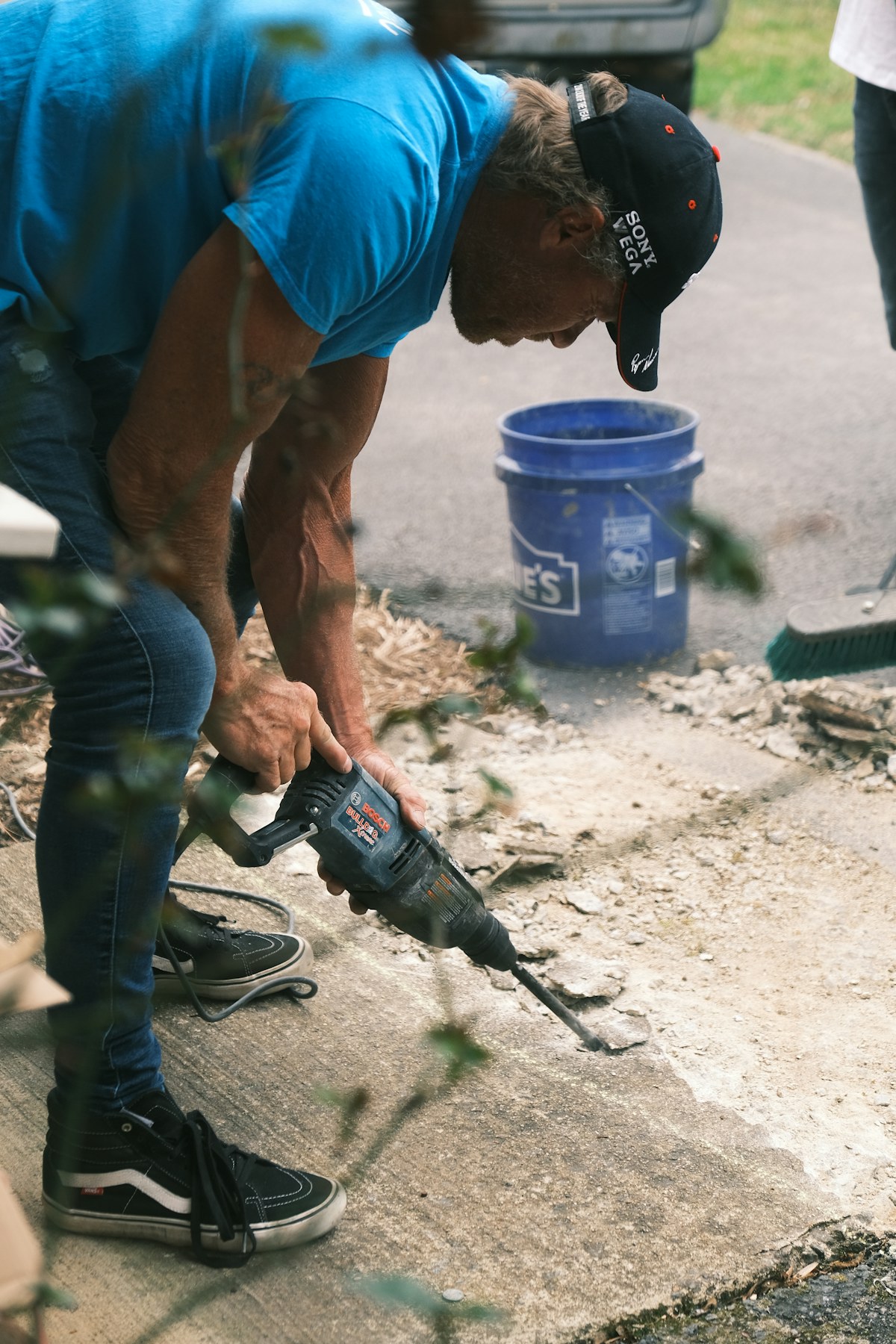
Hammer drilling (SDS or percussion) uses repeated impact combined with rotation to fracture material. It is fast in brick and soft block but produces rough, irregular holes and significant vibration — which can crack plaster, damage tile surrounds, and cause structural disturbance near the drilling zone.
Diamond core drilling uses rotation only. The result is:
- A precisely sized, clean-edged circular hole with no spalling at the edges
- Minimal vibration — important near delicate finishes or structural elements where shock loading is undesirable
- Consistent hole diameter through the full depth of the wall or slab
For applications where finish quality matters — tiled walls, rendered surfaces, decorative brickwork — diamond core drilling is the only practical method. The how to use a diamond core drill guide covers the full technique for clean results.
When Do You Need a Professional Diamond Drilling Contractor?
Many trade applications — boiler flues, waste pipes, and cable entries — are within the capability of a competent tradesperson with hire equipment. A specialist contractor is required or advisable when:
- The hole is in a structural element (reinforced concrete slab, load-bearing wall, post-tensioned floor) requiring pre-work scanning and engineering sign-off.
- The diameter is above 200mm, requiring a rig-mounted wet core machine.
- The project is CDM-notifiable, requiring formal COSHH assessment, PPE records, and a construction phase plan.
- The material is unknown — older buildings may contain asbestos, which requires specialist management before any drilling work begins.
- Precision alignment is critical, such as anchor bolt grids or equipment fixing patterns in industrial floors.
For domestic trade applications: residential core drilling guide. For commercial buildings and CDM work: commercial core drilling services. For warehouses, plants, and heavy concrete: industrial core drilling services. For terminology and abbreviations: diamond core drilling glossary.